Petr Zhigulev Petr Zhigulev
  • Home
  • What I Do
  • Portfolio
  • My CV
Contact me Contact me
Petr Zhigulev

Petr Zhigulev

  • Home
  • What I Do
  • Portfolio
  • My CV
find with me

Projects

  • Home
  • Архив Projects - Petr Zhigulev
GameDev
304

Our Demo Hits Steam: The Chronicles of Overlord Takes Off

Our Demo Hits Steam: The Chronicles of Overlord Takes Off

LIKE THIS 304

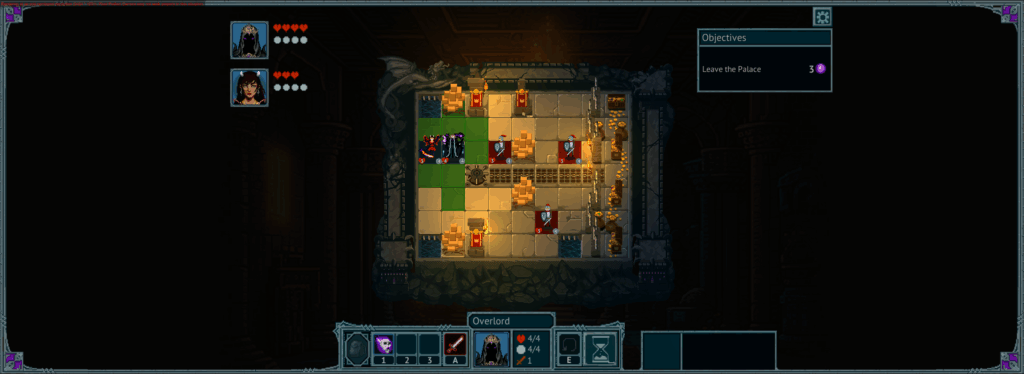
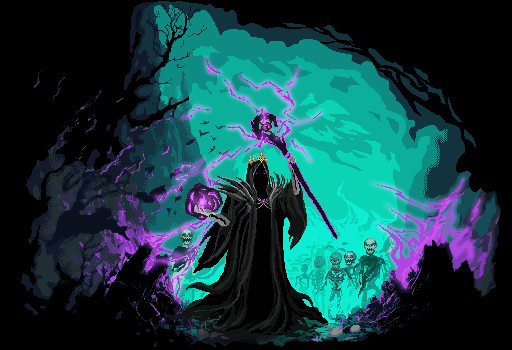
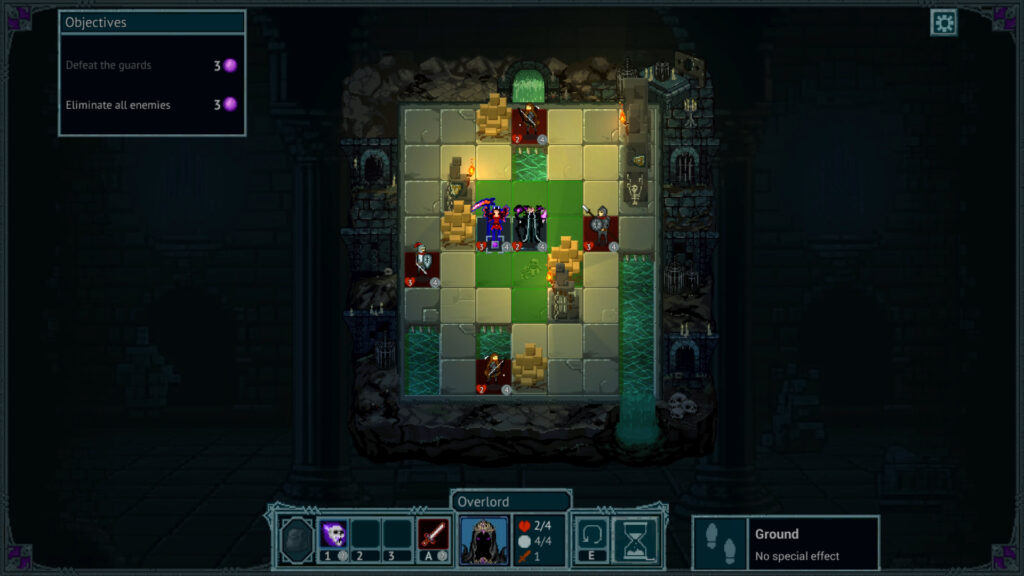
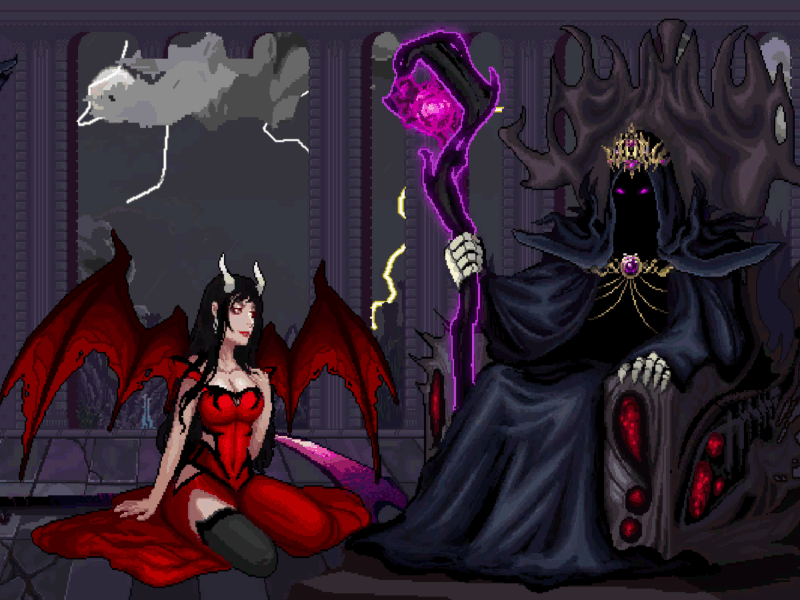
After years of late nights, endless tutorials, and a shared obsession, our team finally hit a major milestone: we released the demo for The Chronicles of Overlord on Steam! This turn-based tactical RPG with puzzle elements, crafted in our signature pixel-art style, is the culmination of our journey from a post-hackathon idea to a real game. Seeing it live on Steam feels surreal.

The demo, featuring a polished tutorial, the first combat level, and a taste of our quirky story, dropped earlier this year. The response blew us away—over 1,000 players have already dove into our fantasy world, battling as the Overlord to stop the Devastator. The feedback has been overwhelmingly positive, with players praising the strategic depth, retro visuals, and absurd humor. But it’s not just praise; the community’s input has been gold. We’ve learned what players love (like the puzzle-driven combat), what feels clunky (some UI quirks), and what they’re craving (more story beats and customization). This feedback is shaping every update we make.

I’ve personally poured thousands of hours into the pixel art, ensuring every sprite and animation pops, while the team has tackled code, balance, and sound to bring the demo to life. It’s been a grind, but hearing players enjoy our world makes it all worth it.

We’re not slowing down. Right now, we’re hard at work on updates—tweaking the interface, adding new levels like the Treasure Vault, and polishing based on playtest insights. We’re on the final stretch, aiming for the full release of The Chronicles of Overlord on Steam in Q3 2026. The journey’s been wild, but we’re more fired up than ever to share the complete adventure with the world.

Steam: https://store.steampowered.com/app/2150210/The_Chronicles_of_Overlord/

Public speaking
281

My Talk on Subscription Churn at ProductCamp 2024

My Talk on Subscription Churn at ProductCamp 2024

LIKE THIS 281

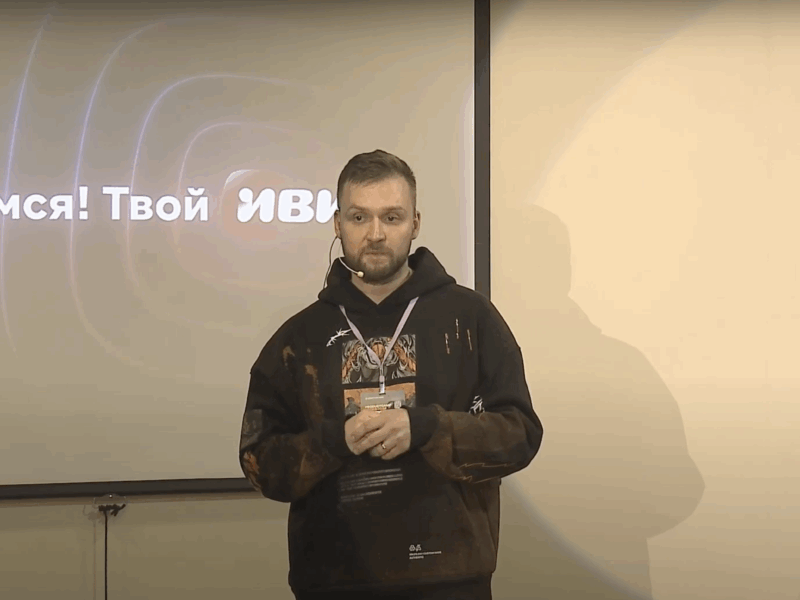
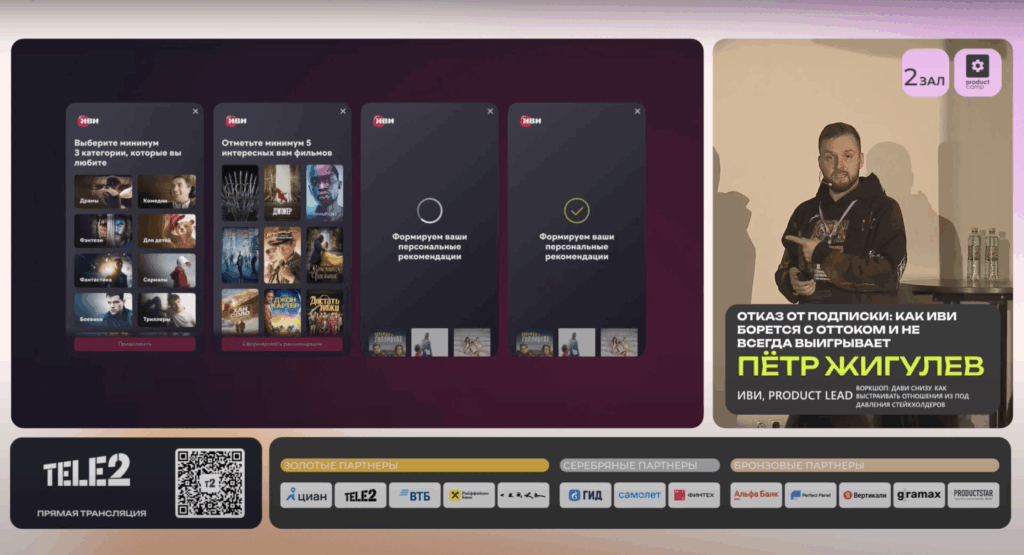
In April 2024, I had the privilege of speaking at ProductCamp Spring 2024, a vibrant conference for product managers and innovators. Held online, the event buzzed with ideas, and I was thrilled to share my insights as a Product Manager at Ivi, diving into a complex yet critical topic: subscription churn.

My talk, “Churn from Subscriptions: How to Retain Users in Your Product,” tackled the challenge of keeping users engaged in subscription-based services. The core idea? Retaining existing users is far cheaper and more effective than constantly chasing new ones. I broke down why churn happens—whether it’s poor onboarding, lack of perceived value, or friction in the user experience—and shared practical strategies to fix it. Drawing from my experience at Ivi, I highlighted data-driven tactics like personalized engagement, seamless UX, and proactive communication to boost retention.

The presentation wasn’t just about numbers; it was a call to embrace the subscription model as the future of digital products. Subscriptions build long-term relationships, create predictable revenue, and align with how users want to consume content today. By focusing on retention, companies can unlock sustainable growth. The audience connected with the message, and the Q&A session sparked lively discussions about applying these ideas across industries.

Delivering a talk on such a nuanced topic was no small feat, but the feedback was humbling. Attendees appreciated the clear, actionable insights and the passion I brought to the stage. ProductCamp 2024 was a fantastic platform to share this vision, and I left inspired, knowing the subscription economy is where the future lies.

Youtube https://youtu.be/zYt5ZUnxWLE?si=zWKUr-QH5njLXwRj

258

A Year Later: Our Game Dev Journey Continues

A Year Later: Our Game Dev Journey Continues

LIKE THIS 258

A year after our post-hackathon spark, we’re still deep in the grind of making our quirky, story-driven puzzle game. The dream hasn’t faded—it’s only gotten sharper. This year, we’ve locked in our visual style, leveled up our skills, and pushed the game closer to reality.

We settled on pixel art as our visual backbone. Why? It’s not just nostalgia, though our love for retro classics plays a part. Pixel art fits our small team’s scope—its constraints force creativity without demanding massive resources. It’s also timeless, letting us craft a distinct vibe with limited manpower. Plus, the crisp, deliberate aesthetic aligns perfectly with our game’s absurd humor and puzzle-heavy world. Every pixel feels like it matters, and that’s the kind of care we want players to notice.

To get there, I, the author, dove headfirst into becoming our team’s artist. Five books on pixel art and animation—covering everything from color theory to sprite movement—became my obsession. Titles like Pixel Logic and The Animator’s Survival Kit were game-changers, breaking down techniques I could actually apply. Over 500 hours this year went into sketching, spriting, and animating. From clunky first attempts to smooth character walks and punchy effects, the progress is real, even if the learning curve was brutal.

On the dev side, we’ve made serious strides. The tutorial is done, teaching players the core mechanics with a mix of wit and clarity. The first combat level is playable, packed with puzzles and enemies that test the brain as much as the reflexes. We’ve also built out the main menu, a slick hub that sets the game’s tone. It’s not perfect yet—bugs creep in, and balancing is a nightmare—but seeing these pieces come together keeps us hooked.

The obsession from last year hasn’t faded. If anything, it’s stronger. Every sprite, every line of code, every late-night debug session feels like a step toward something bigger. We’re not just making a game anymore; we’re building a world we can’t wait to share.

Steam: https://store.steampowered.com/app/2150210/The_Chronicles_of_Overlord/

GameDev
304

How We Started Making Our Game

How We Started Making Our Game

LIKE THIS 304

After a local hackathon, a few of us—friends in our 30s, with no prior game dev experience—gathered to chase a spark. The hackathon’s energy, the thrill of creating something from scratch, left us hooked. We wanted to build a game, not just as a one-off experiment, but as something real, something ours.

The idea came fast: a quirky, story-driven puzzle game inspired by our love for retro adventures and absurd humor. We were obsessed because it felt personal—a chance to blend our random skills, from coding to storytelling, into something players could feel. It wasn’t about fame or money; we were driven by the sheer joy of creating a world from nothing, a place where our weird ideas could live.

We dove in, learning as we went. YouTube tutorials, Unity documentation, and late-night Discord calls became our life. We started small—basic mechanics, rough pixel art, placeholder sounds. Every tiny step, like getting a character to move or a puzzle to work, fueled our fire. We weren’t pros, but we were all in, hooked on the dream of seeing our game come to life.

Steam: https://store.steampowered.com/app/2150210/The_Chronicles_of_Overlord/

Hackatons
325

Hack.Moscow — Another Small Victory

Hack.Moscow — Another Small Victory

LIKE THIS 325

Recently, I participated in the Hack.Moscow v2.0 hackathon, which took place from October 26-28 in Moscow. It was one of the largest events as part of the official MLH Season 2019, organized by the professional community Russian Hackers. The hackathon brought together 400 participants from 14 countries and became a true innovation hub, where young professionals and experienced developers worked for 36 hours to solve various technological challenges.

Hack.Moscow in Numbers:

  • 1700 applications
  • 400 participants
  • 14 countries
  • 36 hours of coding at a cozy venue provided by 1C
  • 32 GPUs worth a total of $320,000 provided by partners

The hackathon featured diverse tracks such as AI, Big Data, Blockchain-CTF, Entertainment, Digitalization, E-commerce, Fintech, and more. Partners included major companies like IBM, Nvidia, REG.RU, Avast, HERE, HSE, MIPT, and many others.

What Happened at the Hackathon?

Participants were presented with various challenges from leading companies, including 1C, MTS, Rosbank, Sibur, REG.RU, WorldQuant, BANKEX, HERE, and Cleverbots. The event featured lectures and workshops led by mentors and experts from various fields. The hackathon was not only impressive in terms of its international scale and strong organization but also had an inspiring atmosphere of collaboration and healthy competition.

Our Victory: The ReView Project

One of the most exciting tracks was the challenge from 1C, which tasked participants with creating innovative solutions in the field of digital business. For this assignment, our team developed a product called ReView — a platform that allows users to scan product barcodes and compare their prices in online aggregators and nearby offline stores.

The core idea is that users can find products in nearby stores and compare prices with online retailers. If the price in the local store is lower than online, the app suggests visiting the store, helping customers save both time and money. We focused on user convenience by offering instant comparisons and flexible options. Our solution was highly praised by the jury, and we became one of the hackathon winners.

Conclusion

Hack.Moscow v2.0 was not only a platform for generating new ideas but also an incredible experience where we could test our skills in a competitive environment, collaborate with interesting people, and gain valuable knowledge from experts. This wasn’t my first hackathon, but each one offers a unique experience that allows both teams and individuals to grow and improve.

Articles:

  1. russianhackers.org
  2. hack.moscow

Public speaking
306

Venture Infrastructure in Russia: A Look to the Future

Venture Infrastructure in Russia: A Look to the Future

LIKE THIS 306

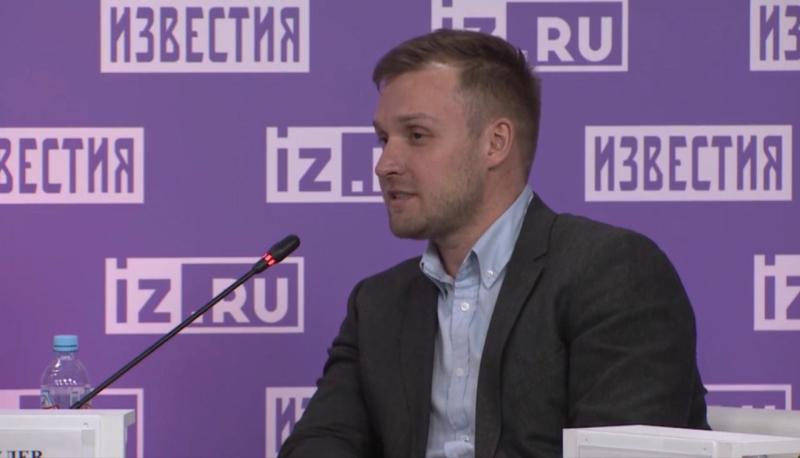
In 2019, I had the opportunity to speak at iz.ru (Izvestia) on the topic of “Venture Infrastructure in Russia.” At this event, I shared my observations about the state and prospects of venture capital development in our country.

Early Stage and Great Prospects

I noted that the Russian venture sector is in its early stages of development. In today’s world, we have a unique opportunity to unlock the potential of innovative ideas and startups. However, a key factor in achieving success will be our ability to avoid pitfalls related to the economic and political situation in Russia.

Growth Rates of Venture Capital

According to recent data, the growth rate of venture capital in Russia stands at an impressive 30% per year. This indicates a strong interest in new ideas and startups that have the potential to disrupt the market.

Emergence of Infrastructure Players

In recent years, we have seen a rise in the number of startups and various infrastructure players, such as accelerators, venture funds, business angels, and incubators. This ecosystem is beginning to take shape and positively impacts the development of venture capital.

The Role of Government and Its Consequences

Nevertheless, I emphasized the significant role of the government in this field. Excessive interference and bureaucratic hurdles may hinder the sector’s growth and development in the future. It is crucial to find a balance that allows entrepreneurs and investors to retain their initiative.

Searching for Teams in Technical Universities

During my personal experience, I visited five technical universities in Russia to find talented teams for startup creation. This experience was disheartening, as I encountered many theorists and only a few enthusiasts willing to bring their ideas to fruition. This highlights the need for more active engagement of youth in practical activities and entrepreneurship.

In conclusion, the future of venture infrastructure in Russia appears promising but requires a careful approach to creating conditions for its growth and development.

Public speaking
492

Application of Blockchain Technologies in the Transport Sector: Presentation at MEFT-2019

Application of Blockchain Technologies in the Transport Sector: Presentation at MEFT-2019

LIKE THIS 492

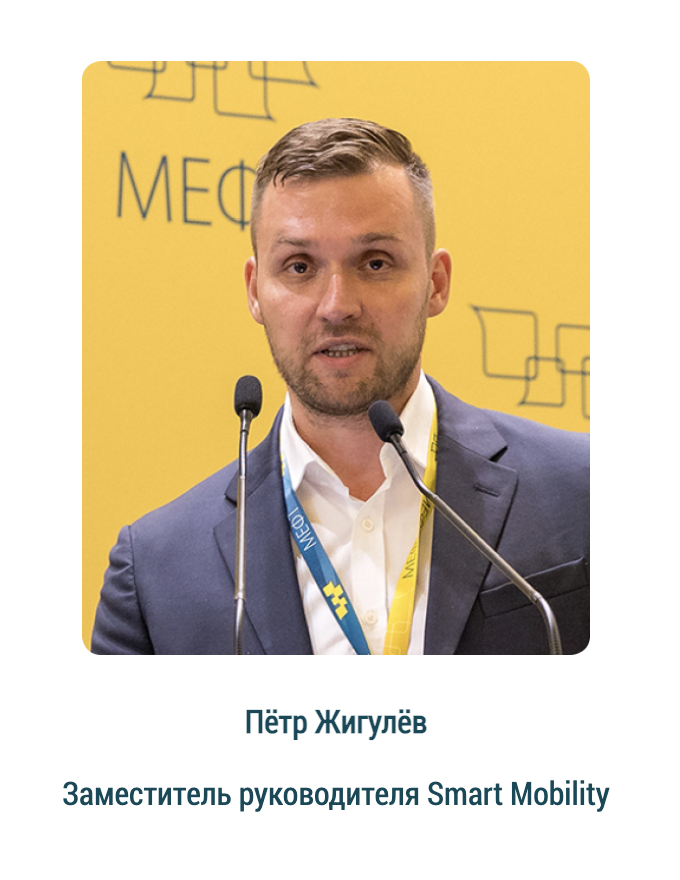
In 2019, I spoke at the IX International Eurasian Taxi Forum (MEFT-2019) on the topic of blockchain technology applications in the transport sector, with a particular focus on the taxi industry. The foundation of my presentation was based on innovative solutions from Bitfury, a company actively developing blockchain technologies for various industries, including transportation.

My presentation demonstrated how blockchain can improve transparency, security, and efficiency in taxi operations. For example, it can simplify and automate payment processes, bookings, and the verification of driver and vehicle data. Distributed ledger technology has the potential to fundamentally change how companies interact with customers, providing more trust and control over data.

After the presentation, I discussed the potential of blockchain implementation with the executives of major taxi fleets in Russia. Key topics included the possibility of increasing transparency in financial operations, improving fleet management, and minimizing fraud through decentralized solutions.

Source: meft.info

EdCrunch / MIX HACK: интервью с победителями Хакатона
Hackatons
308

EdCrunch / MIX HACK: 1st Place at the Hackathon

EdCrunch / MIX HACK: интервью с победителями Хакатона

EdCrunch / MIX HACK: 1st Place at the Hackathon

LIKE THIS 308

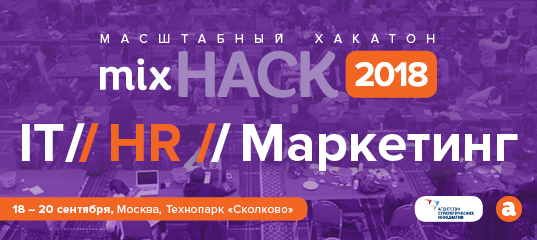
At the HR&Trainings EXPO 2018, I participated in a large-scale Hackathon where cross-functional teams of IT, HR, and marketing professionals tackled pressing labor market issues amid the shift to a digital economy. Over two intense days, we developed new, tech-driven HR products in real-time, culminating in presentations of our solutions.

Our team, Market.skills, which I co-founded, was a first-time Hackathon participant. We came together on the first day of the event, forming a team of five: myself, Petr Zhigulev (entrepreneur); Ilnur Salifov and Yulia Raylyan (HR specialists); Alexey Saraev (iOS developer); and Pavel Shevsky (marketer). We didn’t select team members based on specific skills or previous experience but simply gathered, chose a relevant task, and devised a solution that ultimately won us first place.

As it was our first Hackathon, everything was a surprise—from team formation to the announcement of results by the esteemed jury. I initially expected organizers to assign individual participants to teams, but it turned out to be a real-life scenario: if you wanted to join a team, you needed to pitch yourself or form your own team from others in the same situation. This is exactly what we did. Preparing for the Hackathon was challenging due to the uncertainty, so I focused on understanding competency profiles. As for the future, we plan to start with IT recruitment but aim to expand to other areas.

Our service enables employers to select suitable candidates from a digitized database based on specific tasks. It also assists small companies without competency profiles by offering templates on the platform to guide candidate selection.

Our HR product is designed for large and medium IT companies that constantly need specialists with varying skill depths. This platform will help HR professionals, agencies, and companies find the right employees quickly, saving significant time on resume screening and multiple interviews.

Team members: Petr Zhigulev, Alexey Saraev, Pavel Shevsky, Ilnur Salifov, Yulia Raylyan.

Sources:

  1. HRbazaar
  2. Aspect.by

Featured posts

Categories

  • Рубрик нет

Find Me